DHS Halts Chinese visa-free travel to Marianas amid spy, smuggling fears, and birth tourism controversy
10/27/2026 / By Lance D Johnson
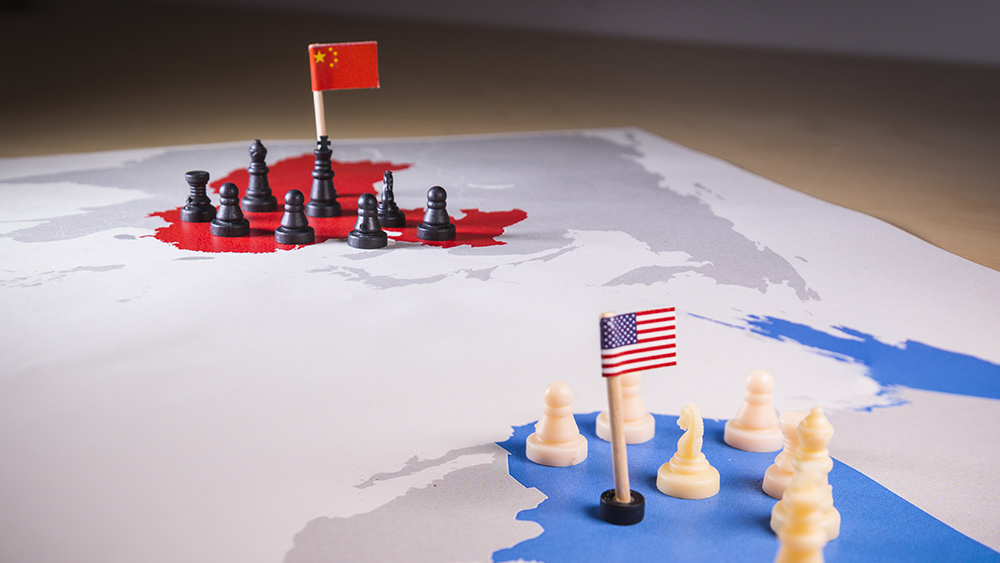
The Northern Mariana Islands, a U.S. territory perched on the edge of a strategic Pacific military hub, finds itself at the center of a geopolitical and economic storm. On October 30, 2026, the Department of Homeland Security (DHS) axed a visa-free travel program for Chinese nationals, citing “unacceptable security risks” and allegations of birth tourism. Yet, the decision has ignited a firestorm of debate, with local leaders warning it could collapse the islands’ fragile economy and critics questioning whether the move is rooted in genuine threats or manufactured narratives to stoke fear.
Key points:
- U.S. Department of Homeland Security suspends visa-free travel for Chinese nationals to the Northern Mariana Islands, citing espionage, smuggling, and birth tourism risks.
- The program, EVS-TAP, allowed 14-day stays but drew bipartisan criticism for national security vulnerabilities near key U.S. military hubs.
- Local officials warn the move could devastate the Marianas’ tourism-dependent economy, which relies heavily on Chinese visitors.
- Critics argue the suspension prioritizes geopolitical concerns over economic survival, while others claim the program was already secured against abuses.
A program built on fragile ground
The Economic Vitality and Security Travel Authorization Program (EVS-TAP) allowed Chinese citizens to visit the Northern Marianas for 14 days without a visa—a policy designed to revitalize tourism after pandemic-driven declines. The program replaced a discretionary parole system with an automated screening process, vetting travelers through Customs and Border Protection rather than consular officers. By 2026, Chinese visitors accounted for over 20% of arrivals to the islands, a lifeline for a region where tourism fuels two-thirds of the GDP.
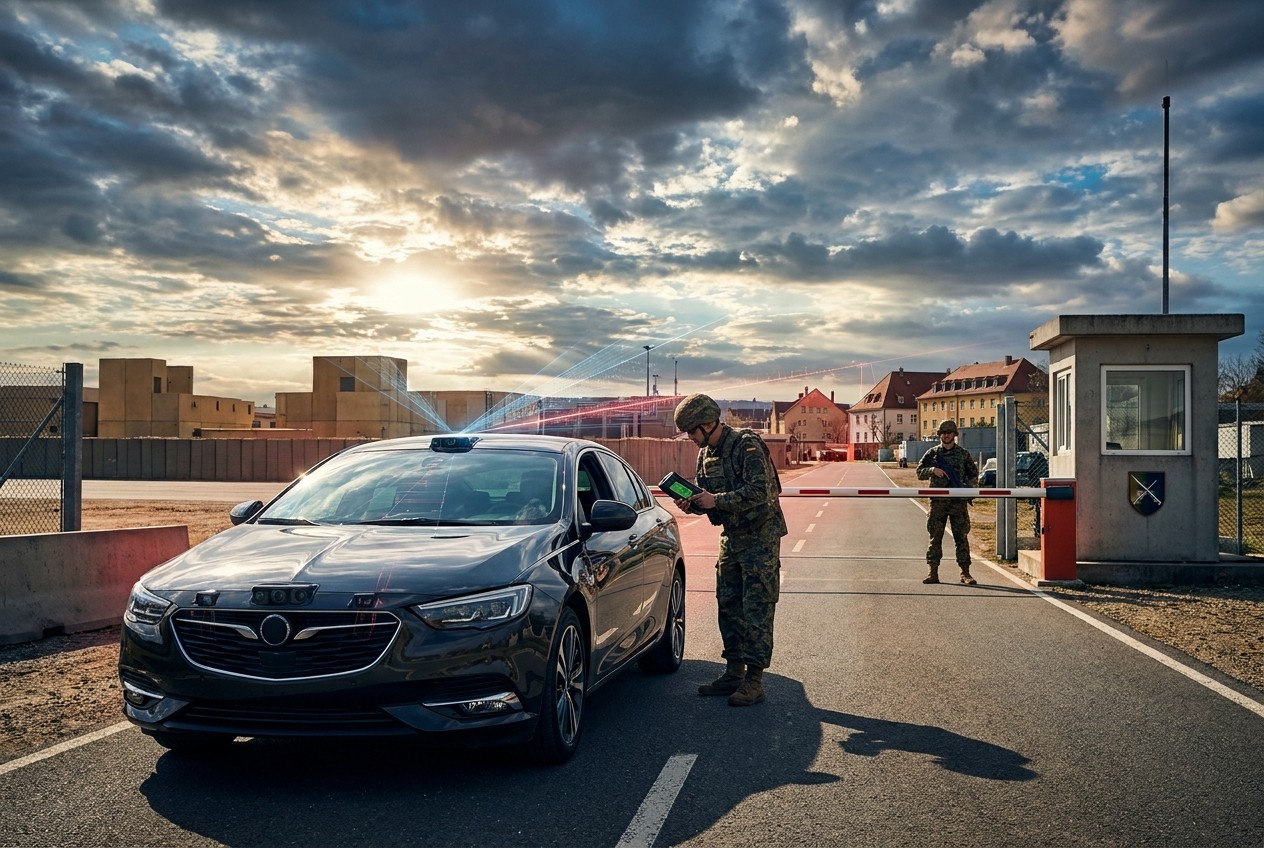
But the program’s critics, including Senators Mike Lee, Rick Scott, and John Cornyn, argued it created a “loophole” for Chinese nationals to exploit. They pointed to three primary concerns: espionage, smuggling, and birth tourism. The Marianas’ proximity to Guam, a critical U.S. military base, raised alarms about potential intelligence-gathering operations. DHS claimed Chinese nationals could use the program to gain a “lawful foothold” near Guam, then slip into the mainland via smuggling vessels. Meanwhile, birth tourism—where parents give birth in the U.S. to grant citizenship to their children—was cited as a long-standing issue, with lawmakers warning that hundreds of children born to Chinese nationals in the Marianas could become voters by 2030.
The economic abyss
For the Northern Marianas, the suspension is a gut punch. The islands, battered by Super Typhoon Sinlaku earlier in 2026, are already reeling from a 32% drop in tourism compared to 2019. The Marianas Visitors Authority (MVA) warned that the loss of Chinese visitors (now 10,764 in fiscal 2025) could trigger a cascade of economic failures. Airlines like Hong Kong Airlines, which rely on connecting flights from Seoul, might scale back routes, further stranding the islands. “It’s not about China. It’s about retirement. It’s about paying employees,” said Delegate Kimberlyn King-Hinds, who has pleaded for a “viable replacement” for the program.
Local business owners, however, remain skeptical. While birth tourism was once a problem, tighter screening and CBP coordination have “effectively mitigated” it, the Hotel Association of the Northern Mariana Islands argued. Critics suggest the suspension is less about security and more about political posturing, particularly as the U.S. grapples with its fraught relationship with China. Yet, the data remains murky. DHS cited “3,300 babies” born to Chinese nationals since 2009, but the MVA disputes this, noting that the department has had full oversight of admissions since the program’s inception in 2024.
A Nation divided by security and survival
The clash between national security and economic survival mirrors broader tensions in U.S. policy. For senators like Lee, the Marianas are a front line in the Cold War 2.0 with China. “America is not a nursery for the CCP to steal citizenship,” he declared. Yet, for the Marianas, the stakes are existential. Tourism is not just an industry—it’s a lifeline in a territory with no natural resources and a population of 55,000. “We’re being asked to carry the cost of a national security decision during our hardest stretch in years,” one local restaurateur told Radio Free Asia.
As the MVA scrambles to diversify its tourism markets, the question remains: Can the U.S. reconcile its strategic fears with the economic realities of its Pacific territories? For now, the Northern Marianas teeters on the edge of a crisis, its fate hinging on whether Washington can, or will, replace the Chinese market with something equally viable.
Sources include:
Submit a correction >>
Tagged Under:
banned, big government, birth tourism, CBP, Chinese nationals, DHS, economic impact, economic survival, espionage, geopolitical risk, legislative pressure, Marianas, military base, national security, Pacific strategy, public policy, smuggling, strategic hubs, tourism collapse, U.S. territories, visa policy, visa waiver
This article may contain statements that reflect the opinion of the author
RECENT NEWS & ARTICLES